Fine art photography

What is fine art photography? A friend recently gave an interesting answer to this question. Photography becomes fine art when critics and curators decide that it is. Once they've decided then your work is endorsed and promoted.

I see 'fine art photography' which is technically, emotionally, conceptually and basically on every level absolutely terrible. Perhaps that's why some curators support it. Oh, it's a fickle world alright.

I've had moderate success especially among private collectors who just like what I do. Perhaps one day the mainstream will take to my work. We'll see. All I can do in the meantime is remain true to my artistic vision.

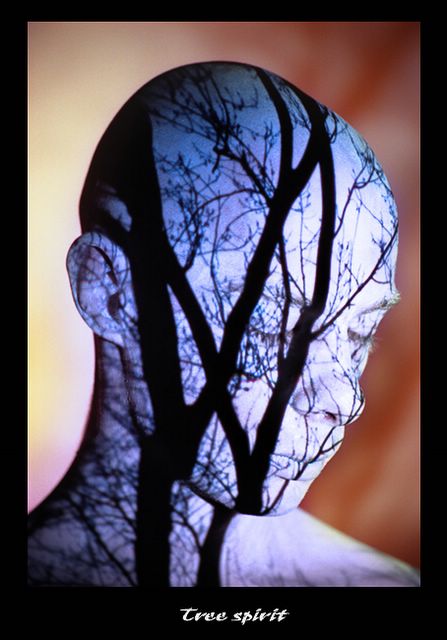
The picture below is part of a series. I think it is thought provoking. It's about bringing the outside world, particularly nature, into ourselves. Or it's about whatever you choose to see and discover.

I think art is 50% what's on the wall and 50% what the viewer brings to the experience.

Paul Indigo


Artwork all done in-camera.

Comments

Anonymous said…
Hi Paul,

I've just discovered your blog and it makes for a damn fine read. I'll happily spend an hour or so reading it as it is well written and thought provoking.

I was blown away with the Tree Spirit image once I realised it was done in camera - would you mind explaning how it was done? I'm think ing it is some sort of projection but I'm really mystified.

Popular posts from this blog

Overcoming creative block and self doubt

Every photographer, for that matter every creative, I've ever met comes to a point when they're not happy with the work they're producing. The pendulum between creative highs and dry spells swings continuously. For some the cycle is long and the bouts are quite mild for others the feeling of doubt about their work can be a crushing experience which returns all to frequently. It's actually quite healthy to have these periods of doubt because it can often be the beginning of something new and interesting which takes you further than you thought possible. Creatives in the commercial world have to always perform and although they may agree looking back that they've had a few patches where their work was less good, they always seem to bounce back. A very few creative geniuses deliver such high quality work that their poorest attempts still surpass the rest of us. But I have never heard of anyone, from tortured soul of Van Gogh to the supreme showman and genius, Salvador ...

What You Photograph Reveals How You Think

  Photography is often described as a way of seeing. Less often do we talk about it as a way of thinking. What you choose to photograph, and just as importantly what you ignore, quietly mirrors how your mind works. Some photographers are drawn to faces, micro-expressions, emotional spikes. Others chase atmosphere, light, mood. Then there are those who gravitate towards structure, systems, order, the invisible logic holding a scene together. None of this is accidental. The camera becomes a sorting tool. It reveals what your brain prioritises. Where others see chaos, you might see alignment. Where some look for drama, you look for balance. Geometry, repetition, flow, layers, these aren’t just visual preferences, they’re cognitive ones. Strong graphic images tend to come from people who think spatially. Who notice how things relate before they notice what they mean. Lines before labels. Structure before story. And yet, the best images rarely stop there. They gain depth when human pres...

Is professional photography still a viable career?

I am not against amateurs and semi-professionals selling their photography. It's a great way to earn some extra cash. However I am concerned about the level of high quality published work and the standards that clients and the public accept these days. It seems that just about everyone is a photographer. The line between amateur enthusiast and professional is fuzzy to say the least. Photography enthusiasts are selling their images through stock libraries and microstock websites, directly to magazines or through their own and third party sites. They're accepting commissions to shoot weddings, being hired to shoot for magazines and selling fine art prints from their websites. They're teaching photography on the weekend and guiding photographic holidays and safaris. Photography became accessible to the masses with the first non-expert cameras and the famous Kodak slogan"You press the button, we do the rest." The digital camera age has taken the whole thing to a ne...